SAHF concludes Regional Workshop on Impact-Based Forecasting for Temperature Hazards
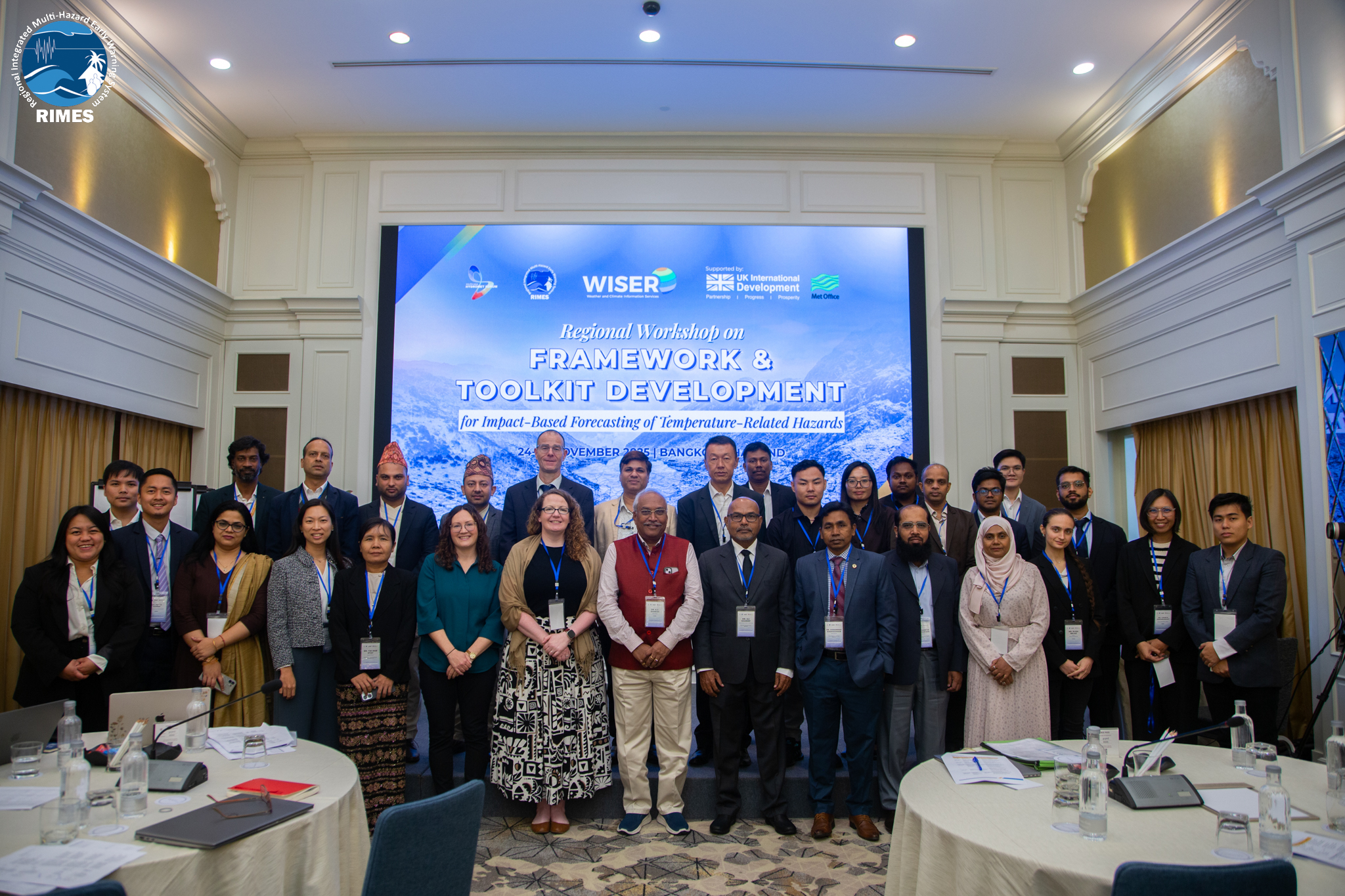
24-28 November 2025 | Bangkok, Thailand — The South Asia Hydromet Forum (SAHF) successfully concluded a five-day regional workshop this week, uniting South Asian meteorological services, disaster management authorities, and development partners to strengthen early warning systems for heat and cold hazards.
The event marks a major milestone in SAHF’s Impact-Based Forecasting (IBF) Implementation Project, supported by the UK government's Foreign, Commonwealth & Development Office (FCDO) through the Weather and Climate Information Services (WISER) Asia-Pacific Programme, part of the Climate Action for a Resilient Asia (CARA) initiative.
As heatwaves and cold spells intensify across the region, the workshop marked a critical milestone in shifting South Asia's early warning systems from simply forecasting "what the weather will be" to predicting "what the weather will do." Drawing on the UK’s experience with action-led forecasting, participants were also introduced to the value of incorporating behaviorally informed “what should I do?” guidance into warning systems. This approach, grounded in behavioral science, offers practical direction on how IBF messages can be designed to prompt real protective action, particularly for heat- and cold-related advisories.
SAHF Adviser Dr. K.J. Ramesh, in his opening remarks, stressed the urgency of the initiative. "Temperature-related hazards have become a very prominent hazard, not only in South Asia but all over the globe," he stated, emphasizing the need for forecasts based on local exposure and vulnerability rather than just meteorological data.
The primary outcome of the workshop was the design of National Demonstration Plans which will serve as operational testbeds during the 2026 heat and cold seasons, allowing countries to refine triggers, Standard Operating Procedures (SOPs), and coordination workflows in real-world conditions.
Over the five days, participants reviewed the IBF Baseline Assessment, refined the draft Regional Framework and Toolkit, and co-designed National Demonstration Plans that will test early warning thresholds, triggers, and coordination workflows in real-world conditions during the 2026 heat and cold seasons.
Development of IBF Regional Framework and Toolkit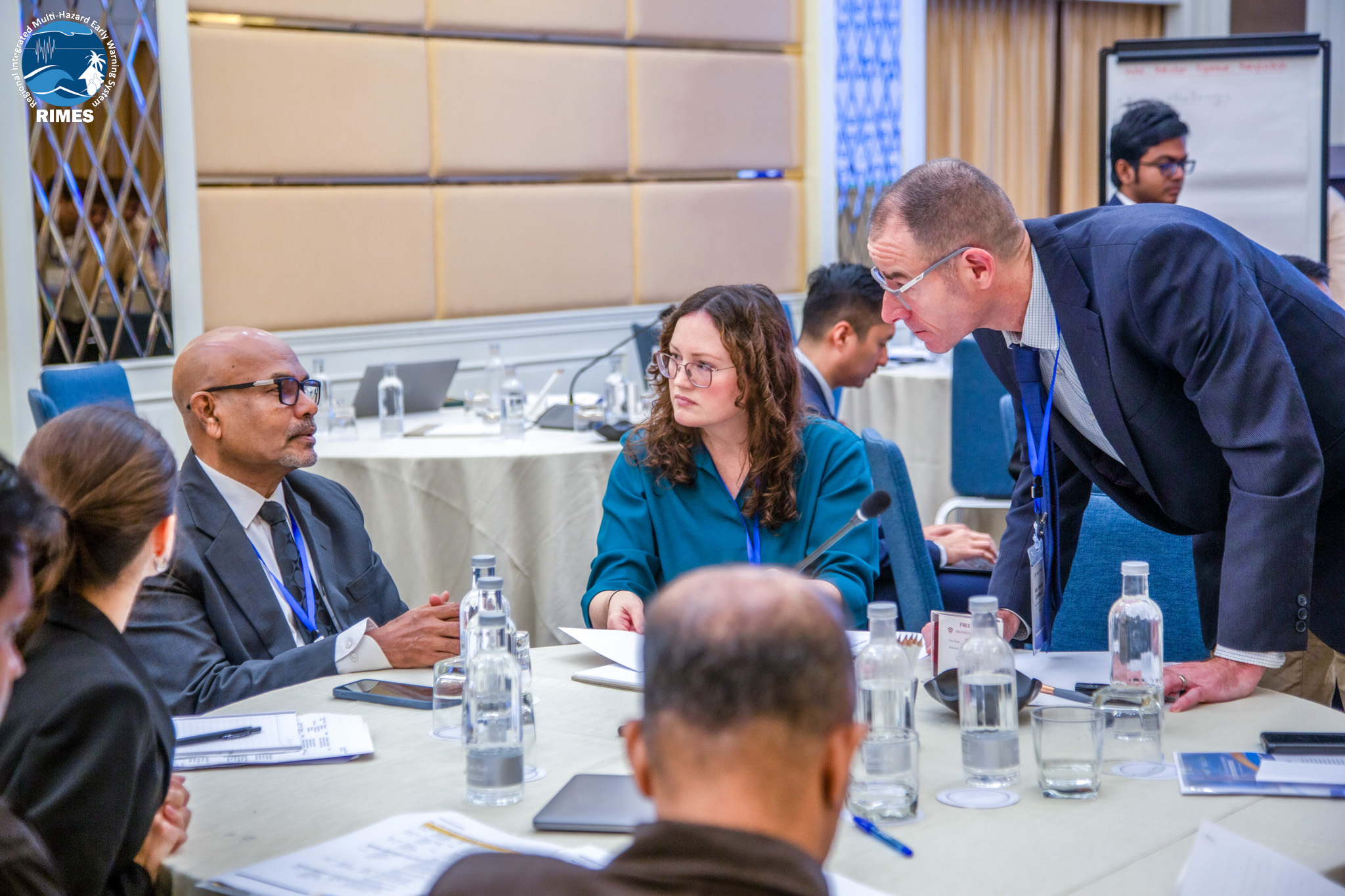

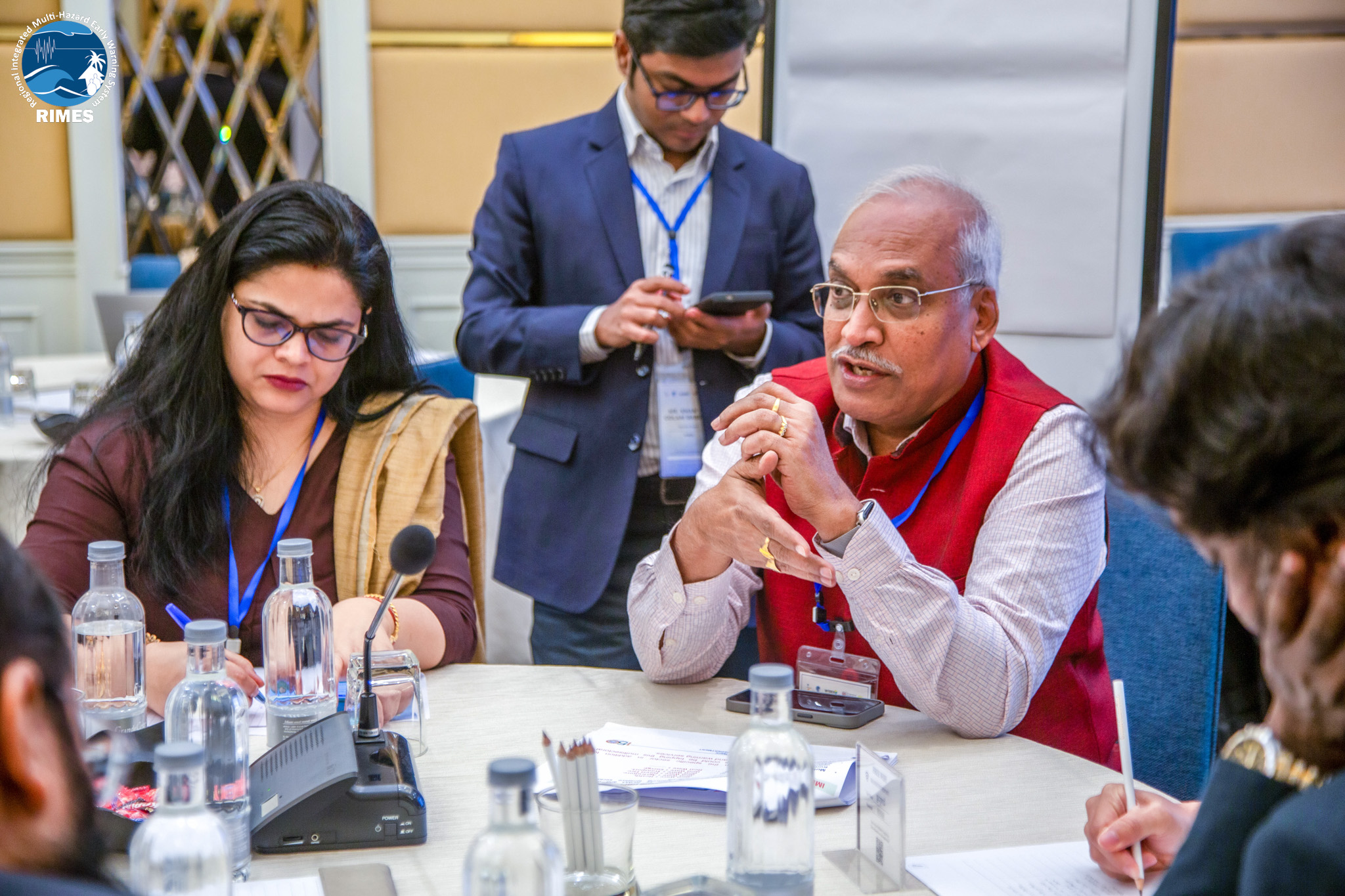
Participants’ discussions throughout the workshops
The comprehensive baseline assessment exposed a stark "resilience divide" across South Asia, highlighting the urgent need for cross-border collaboration. Sub-regional discussions mapped out constraints and regional and national priorities according to geography and capacities:
- For the Himalayan nations of Nepal and Bhutan, the primary challenge is ensuring forecast reliability in complex terrain, driving a specific need for ensemble modeling and the integration of cold hazard thresholds alongside heat warnings. Conversely, island nations like the Maldives and Sri Lanka emphasized "perceived temperature" over absolute readings, prioritizing heat stress indices and the use of satellite datasets to compensate for sparse observational networks.
- For the continental group—including India, Pakistan, Bangladesh, and Myanmar—the focus shifted to operational precision and the "last-mile." These nations highlighted the need for high-resolution (3 km) models, AI-driven tools, and clearer protocols for forecasting "hazard abandonment" to manage public expectations. Across the board, particularly for countries with nascent systems, participants underscored a critical gap in disability-disaggregated data and the urgent need for formal Standard Operating Procedures (SOPs) to institutionalize ad-hoc pilot successes.
These identified challenges and priorities feed into the development of the IBF Regional Framework and Toolkit which are active coordination mechanisms designed to deliver fully operational products within the next 18 months. This initiative centers on a "co-production approach," ensuring that tools are not just technically accurate but useful for specific sectors on the ground.
“We need to have a continuous engagement that will not stop at a certain point,” Dr. Anshul Agarwal, SAHF Team Lead, explained during the session. "We can discuss our experiences and challenges... so that we can learn from each other and engage continuously with a strong communication mechanism."
Launching of National Demonstrations
A core output of the workshop was the commencement of National Demonstration Plans by each participating country. These plans serve as the operational engine of the project, designed to test the Regional Framework and Toolkit in real-world scenarios.
To ensure that the countries are guided in the implementation, a "Training of Trainers" program is scheduled in the first quarter of 2026.
Regional Success Stories
The sessions highlighted operational models already working in the region, providing a blueprint for neighboring nations:
- India: The National Centre for Disease Control (NCDC) showcased its mature heat-health system, which integrates Green-to-Red color-coded alerts with tiered health actions and community-level "heat alert boards."
- Bangladesh: The National Livestock Advisory System was cited as a strong model for sector-specific warnings, automatically sending heat alerts to district livestock officers to protect agricultural assets.
- UK: The Met Office highlighted its “Action First” behavioral approach, emphasizing clear, actionable guidance to close the gap between awareness and response.
- Nepal: People in Need (PIN) detailed their "Action First" approach, mobilizing Female Community Health Volunteers to conduct door-to-door checks on vulnerable groups like outdoor workers.
- Southeast Asia: Although based in Southeast Asia, Global Heat Health Information Network’s (GHHIN) emerging regional model demonstrated how a regional network can reframe extreme heat as a broad public-health challenge, and that countries can begin strengthening heat-health systems even with imperfect data, offering valuable parallels for South Asia’s IBF development.
Building Resilience Together
The workshop coincided with the 5th ESCAP Disaster Resilience Week, allowing participants to join side sessions on building heat resilience and understanding multi-hazard risk in coastal areas. Discussions highlighted SAHF’s growing role as a platform for regional coordination, linking efforts with initiatives such as the Early Warning for All (EW4ALL) campaign and the WMO network.
The session on “Building Heat Resilience through Subregional and Regional Cooperation: Learning and Perspectives from South Asia” highlighted strong regional collaboration on impact-based forecasting and climate data sharing, featuring the South Asia Hydromet Forum and platforms such as RIMES’s DataEx, RDAS, and INSTANT platforms, and ESCAP’s Risk & Resilience Portal 3.0. Country examples from Bangladesh and India demonstrated growing operational heat advisory systems, while discussions stressed the need for standardized data, real-time health integration, and localized early warnings. The session also outlined a regional IBF plan to 2027, supported by capacity building and demonstration projects aimed at strengthening last-mile heat resilience across the region.
Meanwhile, the session on “Understanding Multi-Hazard Risk in Coastal Areas toward Enhancing Adaptation” underscored the escalating coastal threats—rising sea levels, storm surges, tsunamis, erosion, and marine heatwaves—and showcased ESCAP’s upcoming multi-hazard coastal vulnerability tool under the Climate Action for a Resilient Asia (CARA) Programme to support data-driven planning. With insights from India, Maldives, and Sri Lanka, discussions emphasized localized risk mapping, early warning capacity, nature-based solutions, and regional data sharing as essential to strengthening coastal resilience.
“SAHF had a great presence, prominence, reference, exposure across the event, and had a lot of incredible feedback about the impact of SAHF as a model for regional cooperation to improve not just collaboration on hydromet but also in the development of services,” shared David Corbelli, UKMO Senior International Development Manager, as he summarized key takeaways from the side events.
Looking Ahead
By the end of the workshop, all participating countries had drafted initial National Demonstration Plans, identifying priority products, user pathways, and pilot locations. Participants emphasized the importance of involving frontline users and local authorities to validate and refine IBF tools.
With the positive feedback and active participation among the participants, RIMES, through the SAHF team, is optimistic in fully realizing the project goal of strengthening regional capacity to deliver standardized, people-centred IBF tools and implement national and regional demonstration projects for temperature-related hazards.
"This workshop signals a decisive move toward operationalizing people-centred early warnings for temperature extremes across South Asia," expressed SAHF Team Lead Dr. Agarwal. "The momentum is strong, and the commitment from every participating country is very clear."
Next steps include refining National Demonstration Plans for clear objectives, sectoral partnerships, and seasonal timelines, conducting a Training of Trainers workshop in early 2026 on product generation and indicator development, and finalizing the Regional Framework and Toolkit based on workshop inputs for stakeholder review.