South Asia Hydromet Forum Accelerates Regional Climate Action with 3 New Strategic Initiatives

The South Asia Hydromet Forum (SAHF) is scaling up regional climate resilience through three major initiatives that mark a push toward advancing hydromet capabilities in South Asia. With support from the WISER Asia Pacific and CREWS South Asia programs, and implemented through the Regional Integrated Multi-Hazard Early Warning System (RIMES), these initiatives will support all six thematic areas of SAHF including: Numerical Weather Prediction, Observation Networks, Capacity Enhancement, Impact-Based Forecasting, Climate Services, and Hydrology.
These collaborations represent a major boost for the region in 2025. By enabling priority workplans and long-term institutional capacity building, SAHF aims to reduce socio-economic vulnerability and ensure sustained, coordinated actions across meteorological and hydrological domains while the region is facing intensifying climate risks.
The WISER Asia Pacific Programme: Driving Transformational Change
Managed by the UK Met Office and funded by UK International Development, the Weather and Climate Information Services (WISER) Programme, part of the Climate Action for a Resilient Asia (CARA) initiative, emphasizes regional collaboration and the delivery of actionable, user-driven services.
Under the SAHF framework, WISER is supporting two major implementation plans that align directly with SAHF’s technical working groups:
1. IBF Working Group Implementation Plan
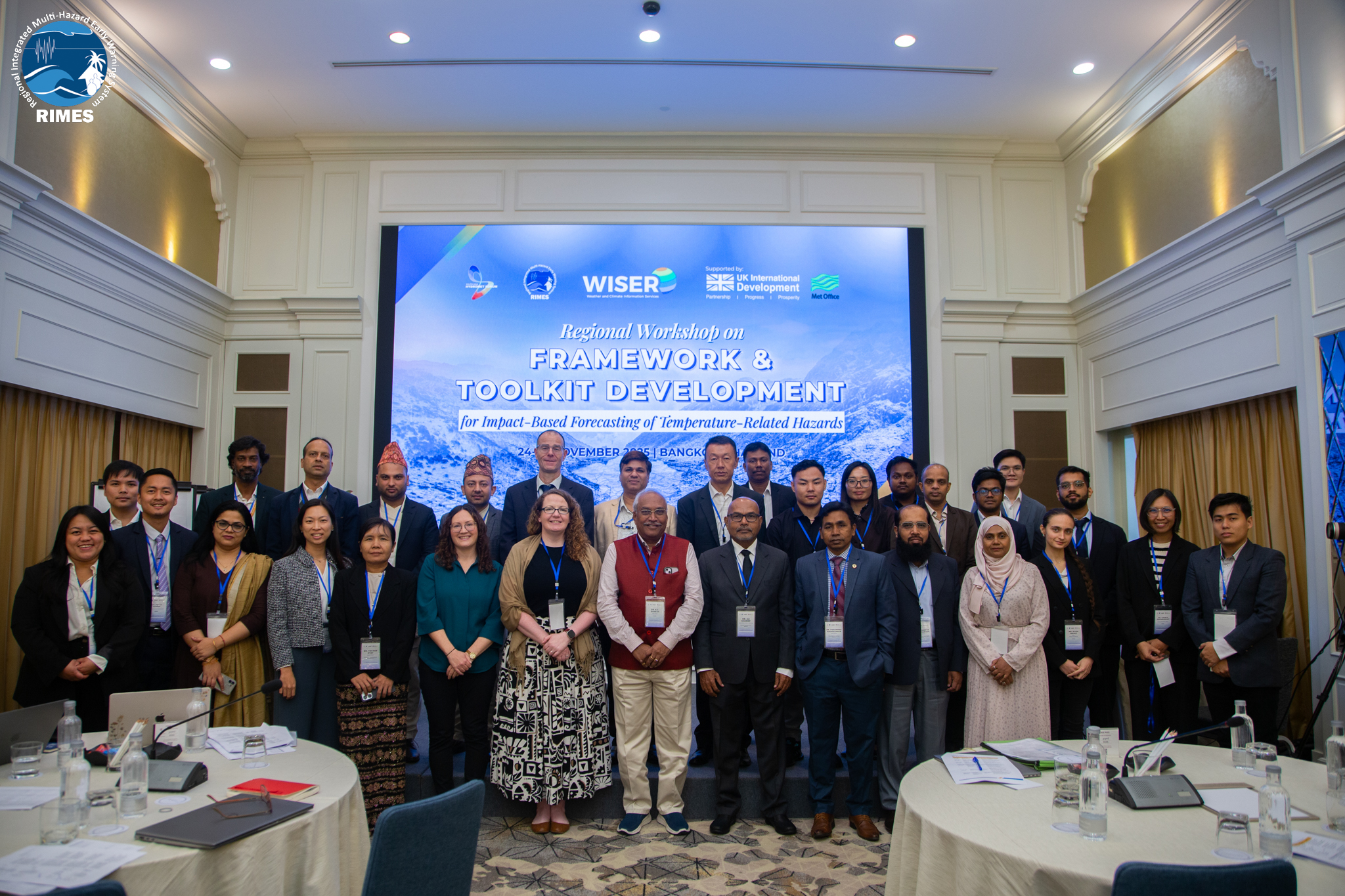
Participants from the Regional Workshop on Framework and Toolkit Development last November 2025 under the SAHF IBF Project.
Launched in August 2025, this project aims to drive transformational change in national and regional capabilities for delivering IBF and early warning services, specifically for temperature-related hazards. Recognizing the increasing risks posed by heatwaves and cold spells across South Asia, the project focuses on: strengthening institutional systems and methodologies and enhancing technical processes required to generate anticipatory, impact-driven warnings.
2. Climate Services Working Group Implementation
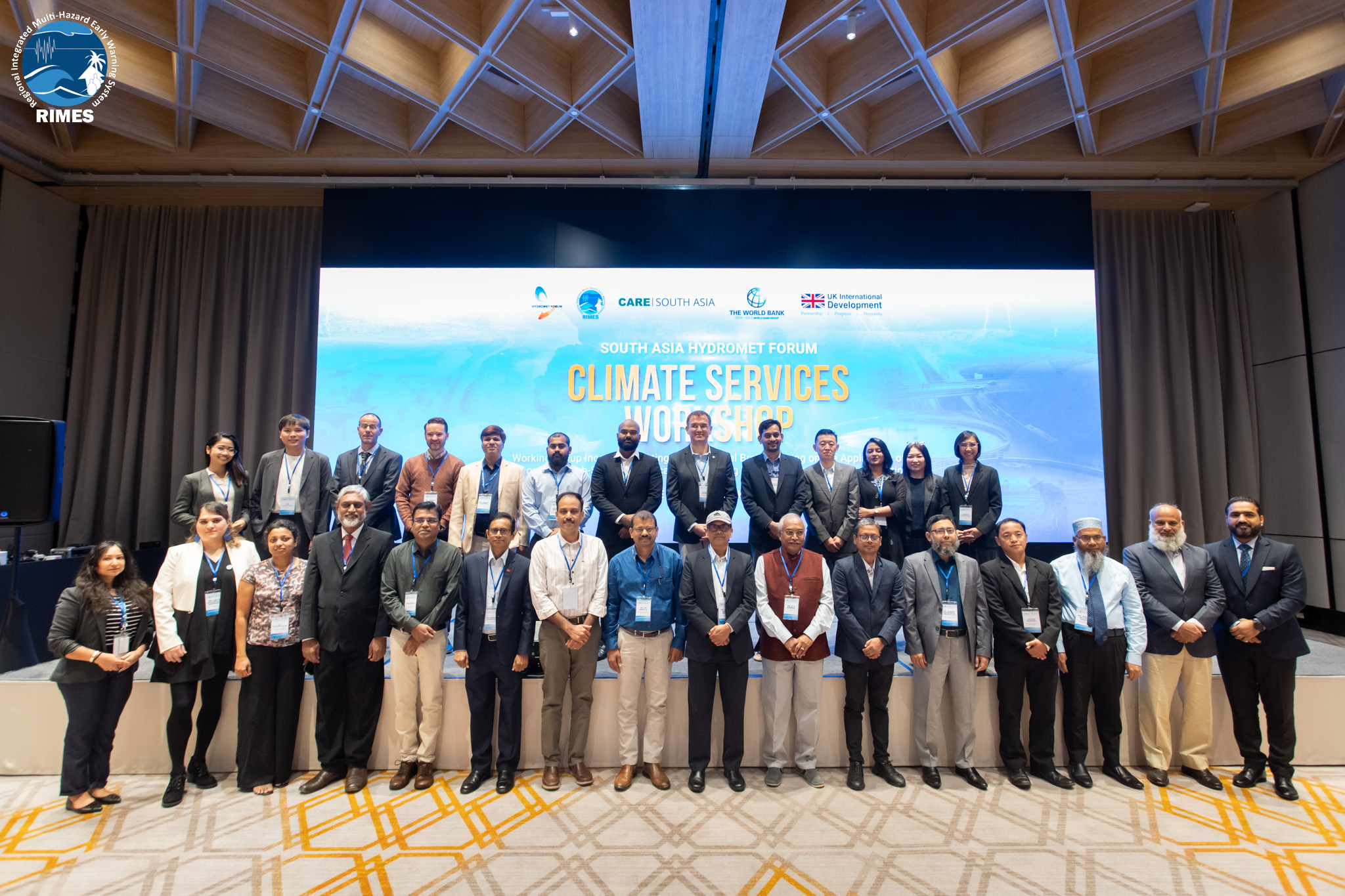
SAHF Climate Services Working Group, user sector representatives, and development partners during its Inception Meeting in June 2025
Designed to establish a robust foundation for a regionally aligned climate services ecosystem, this initiative supports improvements in coherence, effectiveness, and cross-border coordination. The project ensures that climate information is consistent and accessible across the region by providing continuous technical support to the SAHF Climate Services Working Group.
CREWS South Asia: Unlocking Regional Synergies
The Climate Risk and Early Warning Systems (CREWS) initiative is a global financial mechanism dedicated to strengthening risk-informed early warning services, particularly in Least Developed Countries (LDCs) and Small Island Developing States (SIDS).
3. Unlocking South Asia Regional Synergies for Resilience Building (CREWS South Asia Project)
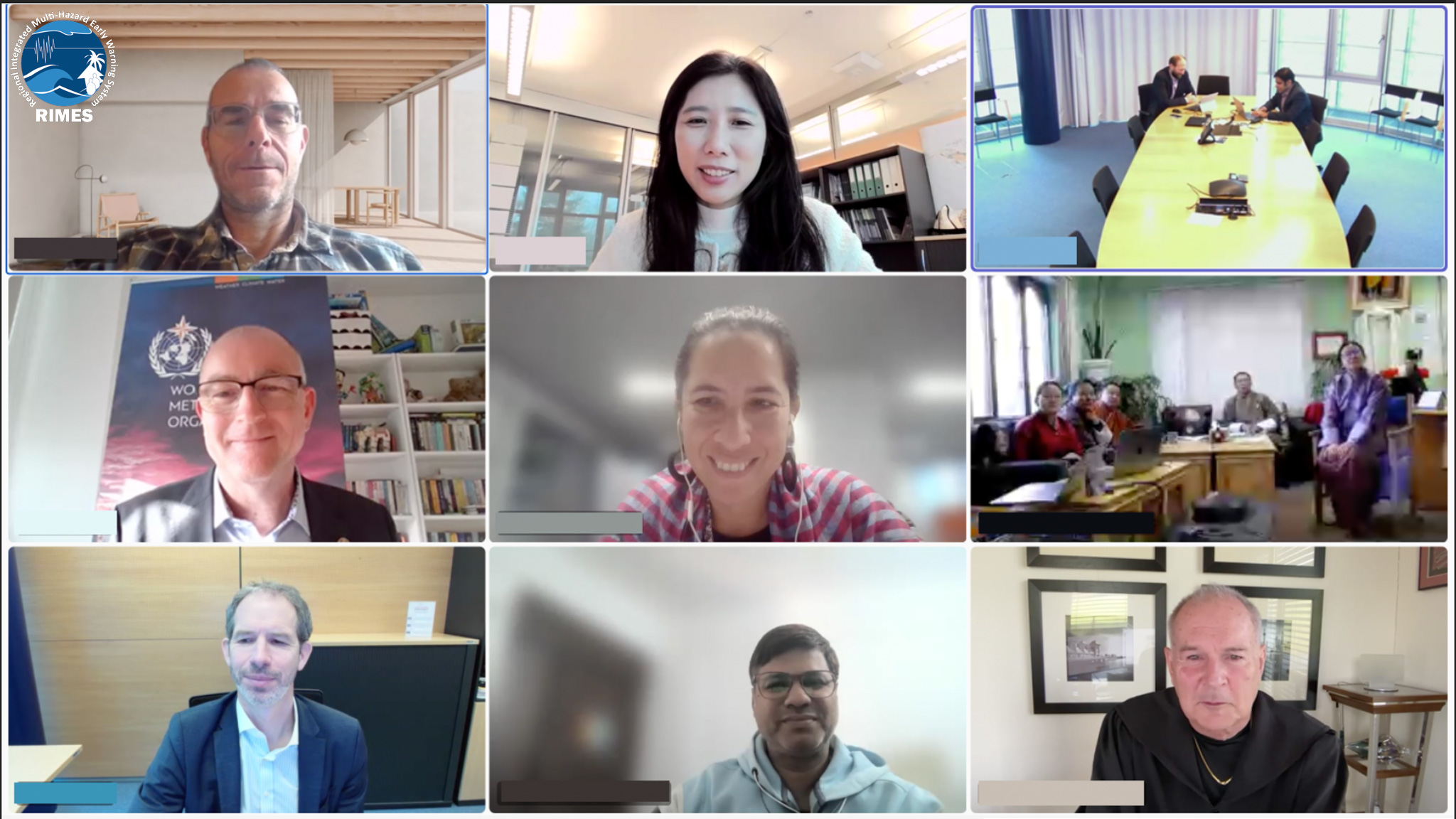
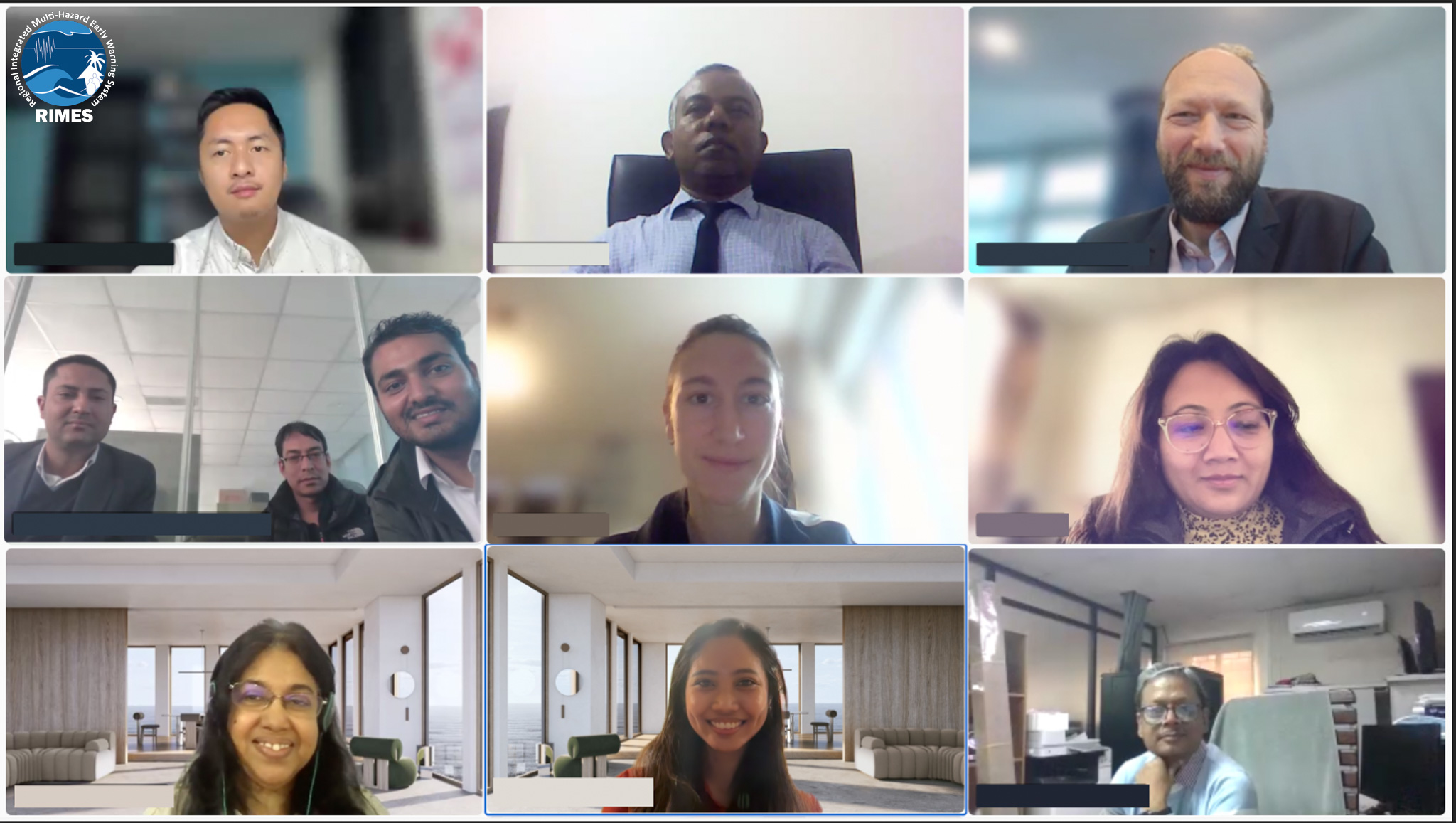
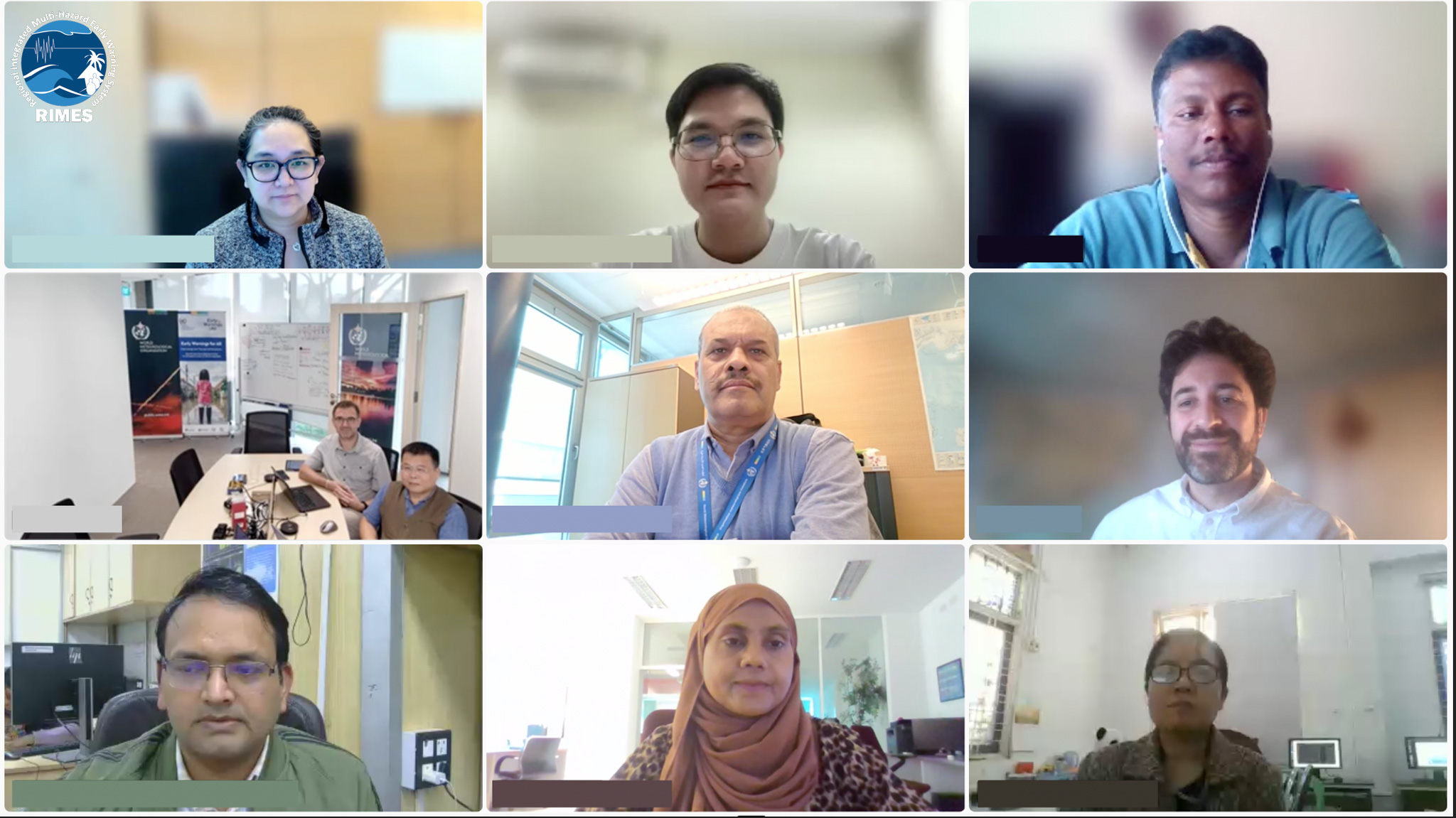
Project stakeholders at the CREWS SA Inception Meeting on 09 December 2025
This four-year project, implemented by the World Meteorological Organization (WMO) and United Nations Office for Disaster Risk Reduction (UNDRR), with RIMES as lead technical partner, is designed to leverage regional synergies and harmonize early warning initiatives across South Asia. It aims to enhance multi-hazard early warning systems and prioritizes the "last mile" of warning dissemination. RIMES, in particular, will aim to strengthen regional coordination by enhancing SAHF mechanisms such as the technical working groups and the Forecasters’ Forum.
Driving a Unified Path Toward a Safer Climate Future
Together, these three projects represent a forward-looking approach to climate risk management. As the region confronts floods, heatwaves, and urban climate pressures, these initiatives reinforce the commitment of South Asian nations to ensure climate information is reliable, accessible, and actionable for all.